Pricing Process: Why Workflow Discipline Beats Individual Brilliance
Brilliant pricing professionals cannot compensate for broken processes. This post examines the process dimension of the pricing operating model and explains why repeatable, governed workflows produce better outcomes than heroic individual effort, especially at scale. For a structured view of how pricing intent connects to execution through operating models, governance, and scalable workflows, download the
From Optimizing to Strategizing: When Pricing Earns a Seat at the Table
The transition from Level 3 to Level 4 is where pricing shifts from an operational discipline to a strategic contributor. This post explores what that shift demands of the organization and why it changes not just how pricing works, but how the business thinks about value creation. For a structured view of how pricing intent
From Executing to Planning: The First and Most Critical Maturity Leap
The jump from Level 1 to Level 2 is the hardest and most important step in pricing maturity. This post explains what that transition looks like, why it requires more organizational will than technical capability, and what changes when an organization moves from reactive to intentional pricing. For a structured view of how pricing intent
The 5 Levels of Pricing Maturity: Where Does Your Organization Stand?
Not every organization needs to be at the highest level of pricing maturity. But every organization needs to know where it stands today. This post introduces a practical five level maturity model and explains how to use it as a diagnostic tool rather than an aspirational framework. For a structured view of how pricing intent
Learning and Adjustment Over Time: Compounding Pricing Intelligence
Learning and adjustment is the step that separates organizations whose pricing improves from those that repeat the same mistakes cycle after cycle. This post explores how structured learning closes the loop between intent and outcome, and why it is the most undervalued step in the pricing workflow. For a structured view of how pricing intent
Monitoring and Performance Measurement: You Cannot Improve What You Cannot See
Pricing performance is often assessed too late, too infrequently, and with too little detail to drive meaningful improvement. This post explores why monitoring is not the same as reporting, and how structured performance measurement transforms pricing from a reactive activity into a managed discipline. For a structured view of how pricing intent connects to execution
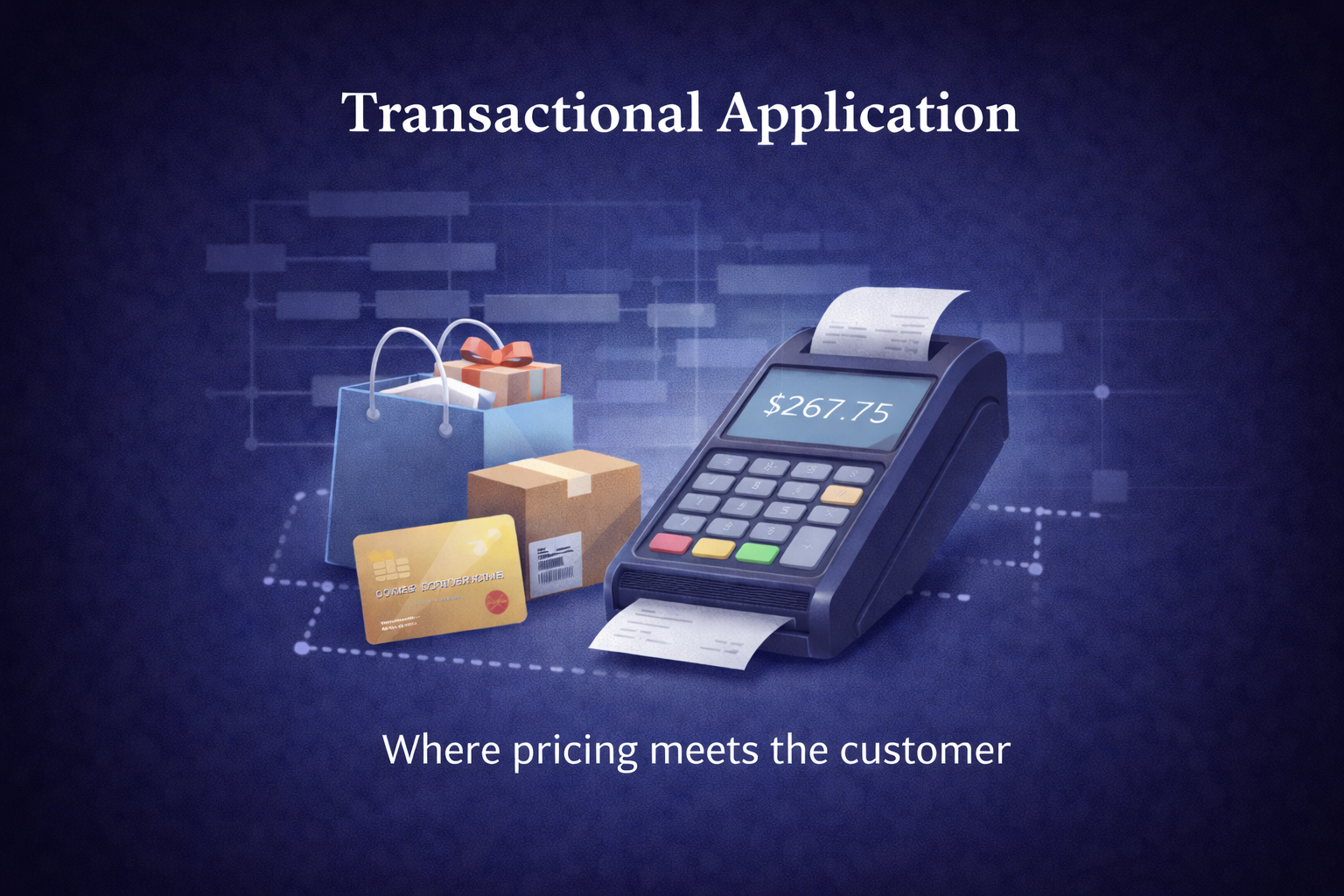
Transactional Application: Where Pricing Is Won or Lost, Deal by Deal
Transactional application is where pricing meets the customer. This post explores why the point of quoting, ordering, and billing is where pricing intent is either realized or eroded, and how organizations can balance flexibility with discipline at the moment that matters most. For a structured view of how pricing intent connects to execution through operating
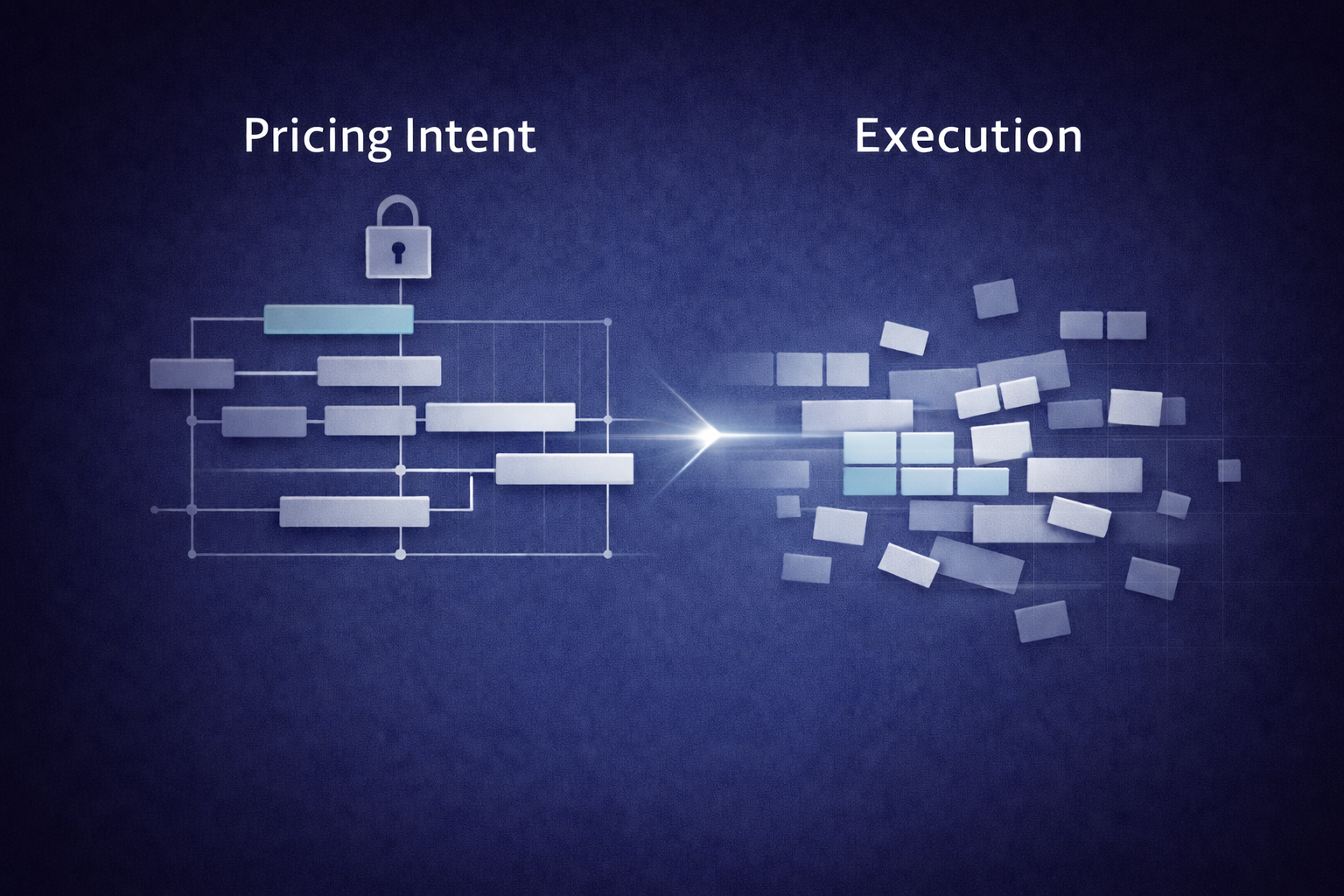
Execution and Deployment: The Silent Killer of Pricing Intent
Execution and deployment is where approved pricing decisions are translated into live systems. This post explores how pricing intent erodes silently through manual entry errors, system drift, and local reinterpretation, and what it takes to ensure that what was decided is exactly what goes live. For a structured view of how pricing intent connects to
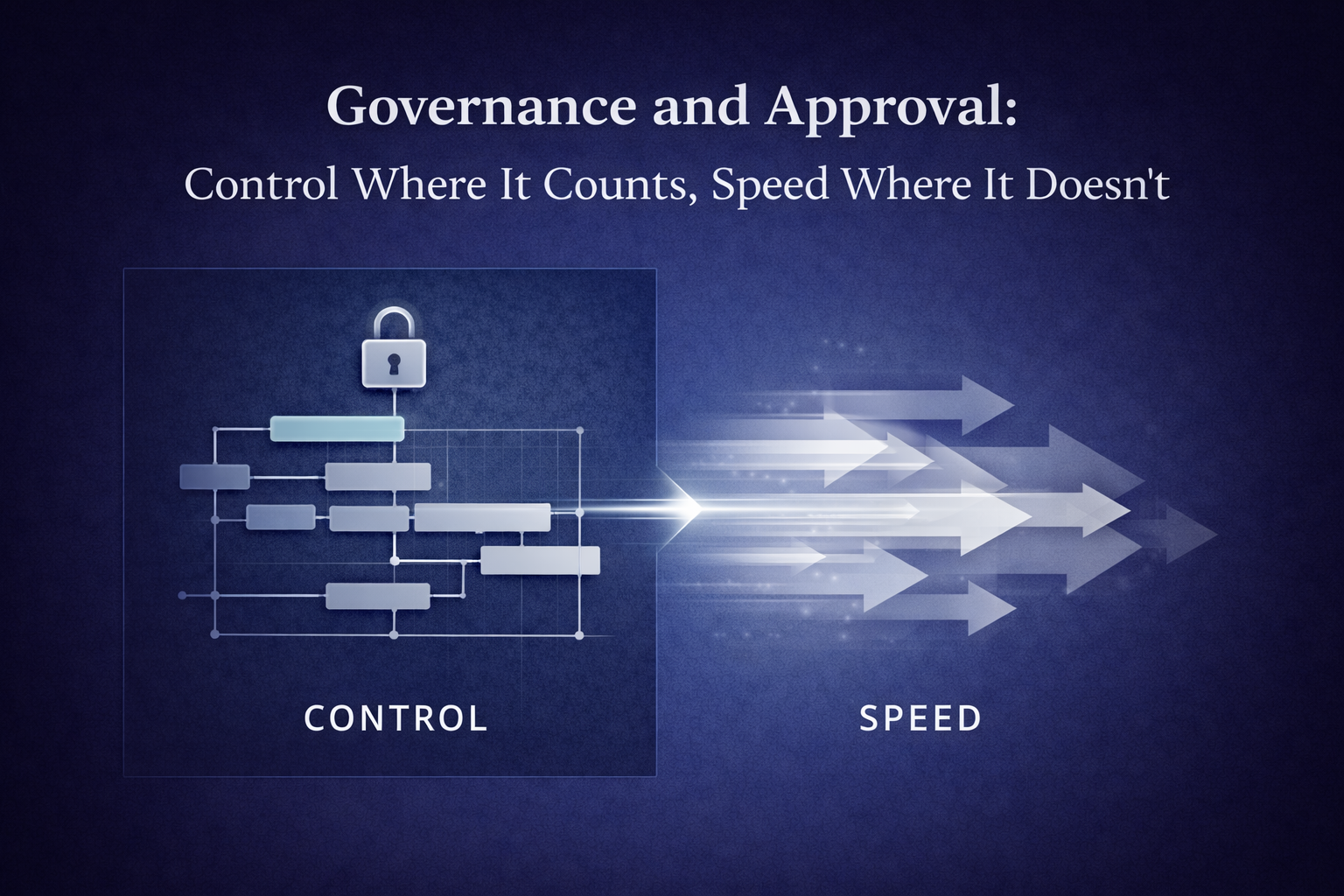
Governance and Approval: Control Where It Counts, Speed Where It Doesn’t
Governance is not about adding friction to every pricing decision. It is about applying control deliberately where value, risk, or policy exposure justifies it. This post explores why governance matters, what happens when it breaks down, and how organizations can balance speed and discipline. For a structured view of how pricing intent connects to execution
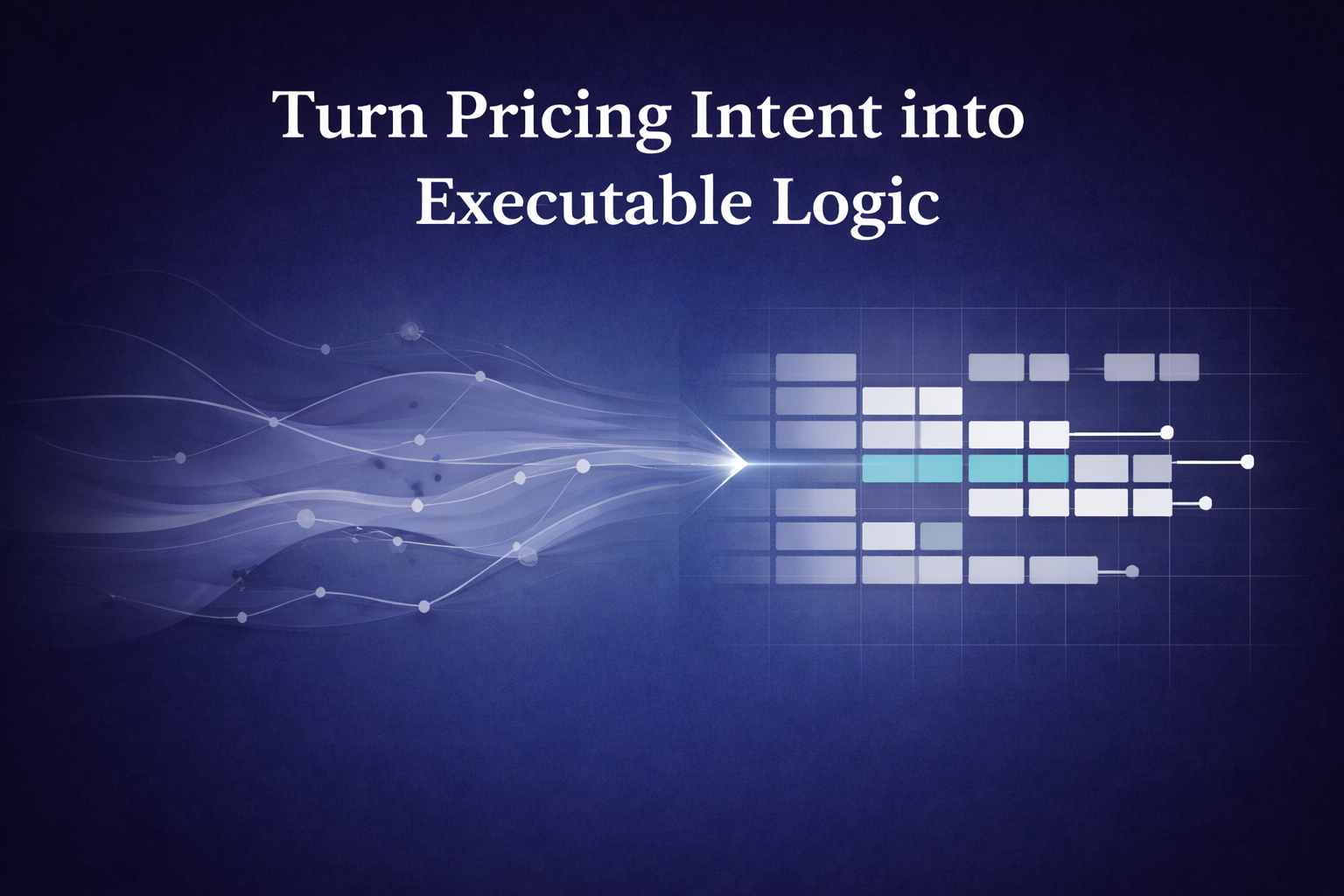
Price Design and Modeling: Turning Intent into Executable Logic
Price design and modeling is where pricing intent is translated into structures, rules, and calculations that can be executed at scale. This post explores why this step is where pricing becomes tangible, where maturity is most visible, and where the gap between strategy and execution either closes or widens. For a structured view of how
Setting Strategy and Intent: Where Pricing Direction Lives or Dies
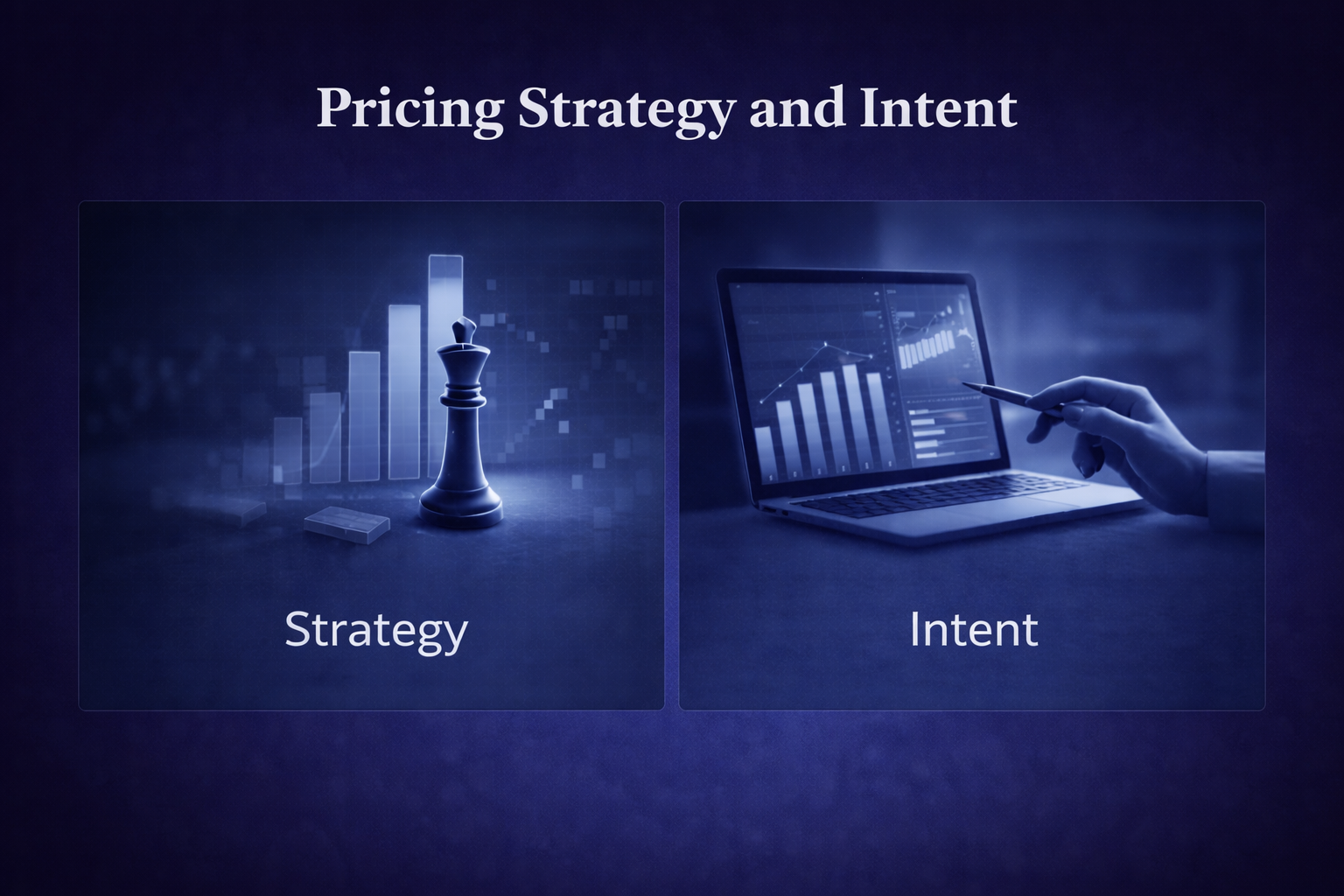
Setting strategy and intent is where pricing direction is defined and made executable. This post explores why this step matters more than most organizations realize, what it should produce, and why pricing decisions default to negotiation dynamics and short term incentives when this step is weak. For a structured view of how pricing intent connects
The People Problem in Pricing: Roles, Ownership, and Organizational Design
Pricing underperforms more often because of unclear ownership and fragmented accountability than because of bad strategy or weak systems. This post examines the people dimension of the pricing operating model and explains why organizational design is the most overlooked factor in pricing performance. For a structured view of how pricing intent connects to execution through
What Is a Pricing Operating Model and Why Does It Matter
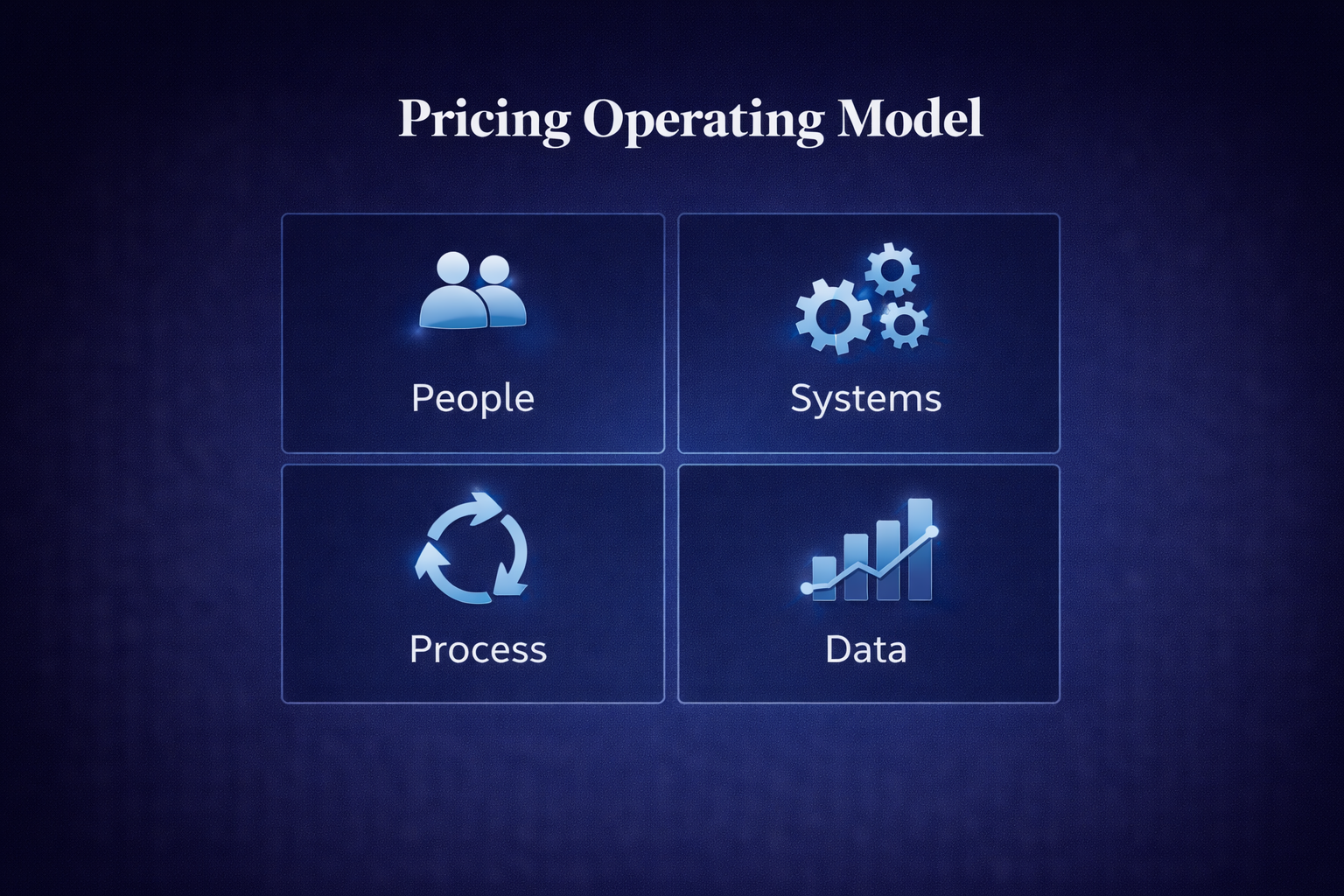
A pricing strategy defines what should happen. The operating model determines what actually happens. This post introduces the four core dimensions of a pricing operating model and explains why even sound strategies fail without one. For a structured view of how pricing intent connects to execution through operating models, governance, and scalable workflows, download the
The Evolution of Pricing: From Negotiation to Lifecycle Value
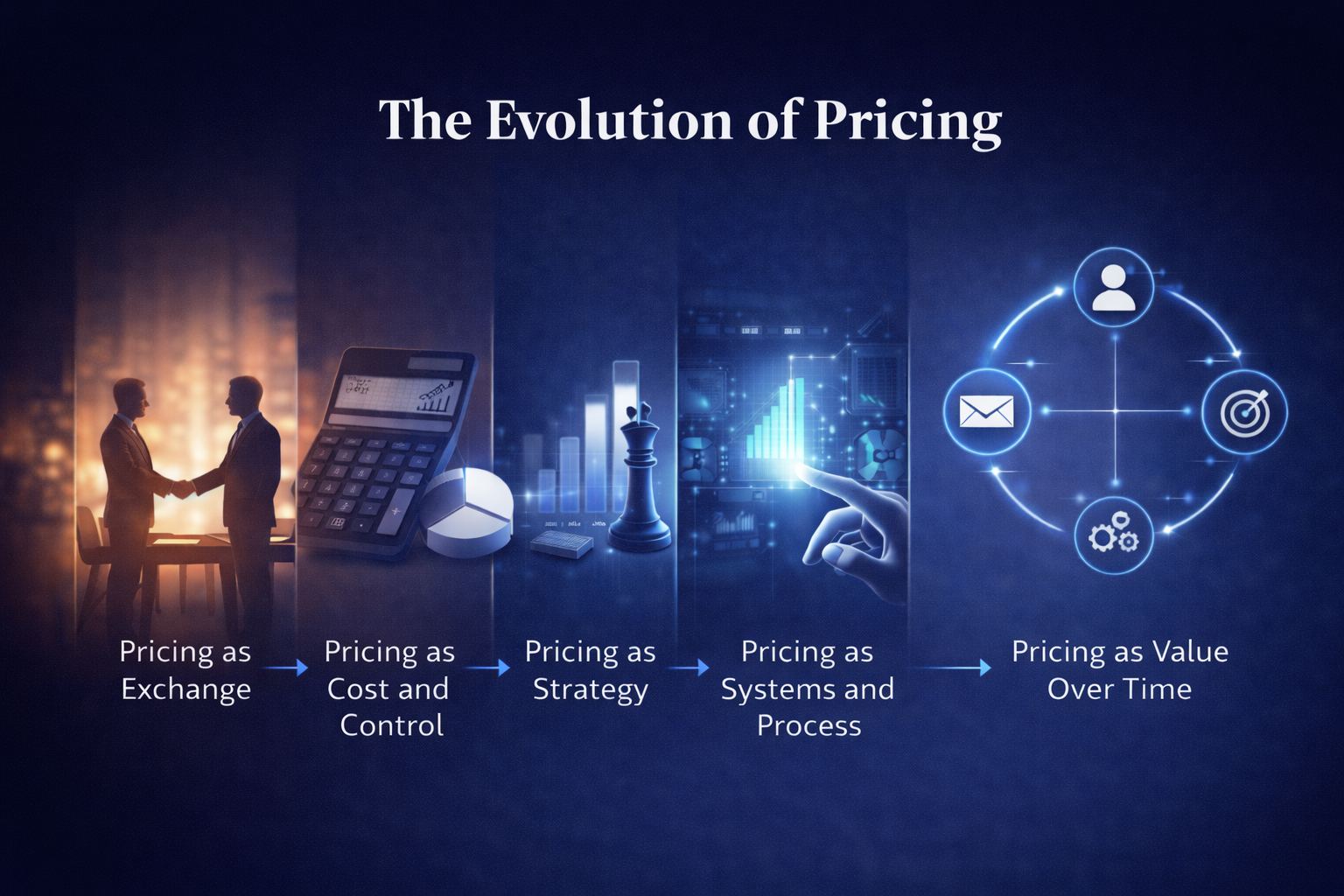
Pricing has evolved through distinct eras, from informal negotiation to cost based control to strategic positioning to systems driven execution. This post traces that evolution and explains why modern pricing must now manage value across the entire customer lifecycle, not just at the point of sale. For a structured view of how pricing intent connects
Pricing Is Not a Transaction. It Is an Enterprise Capability.
When pricing is treated as a series of individual deals, it produces individual results. This post makes the case for viewing pricing as a continuous, governed enterprise capability and explains why that shift is the foundation of every successful pricing transformation. For a structured view of how pricing intent connects to execution through operating models,
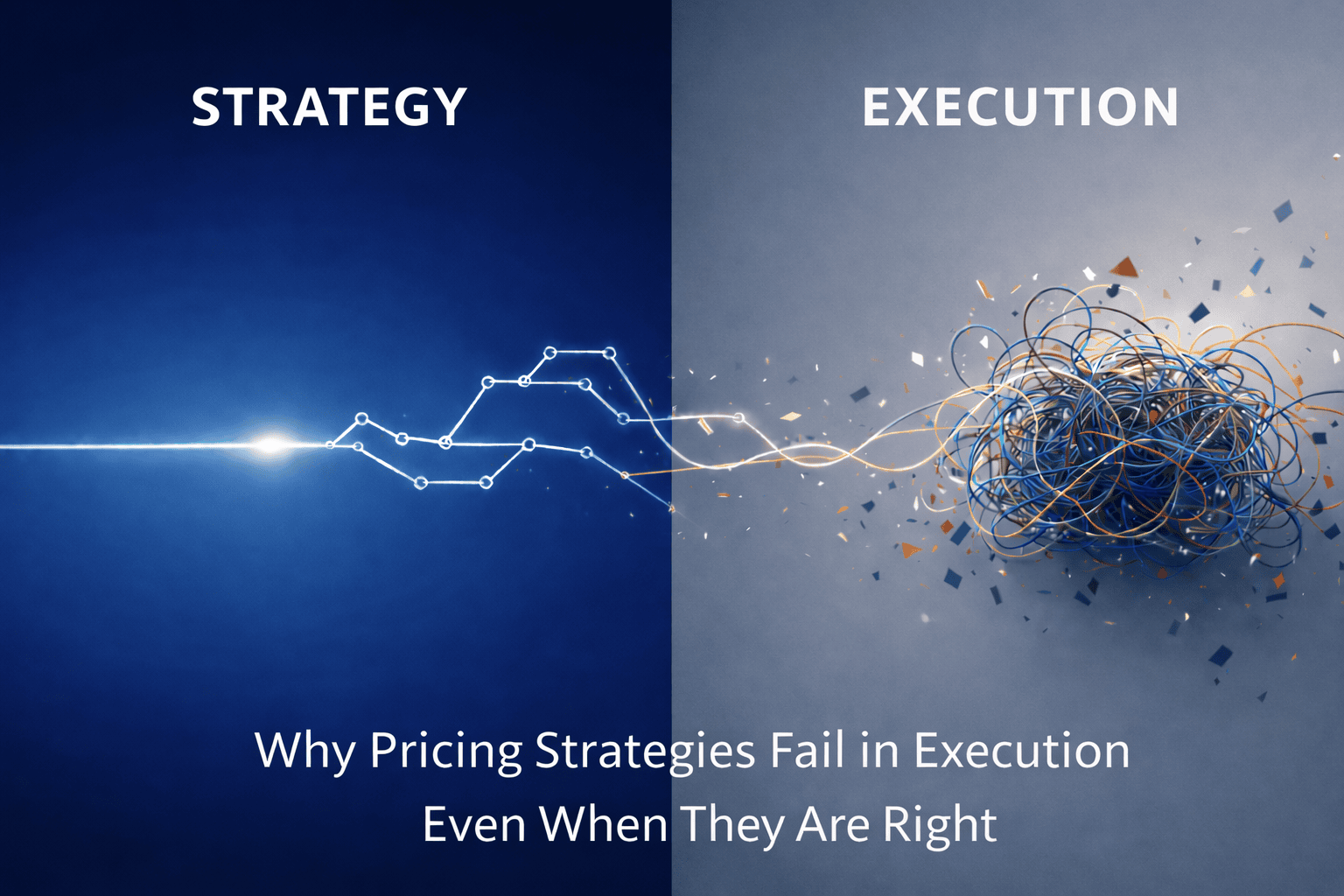
Why Pricing Strategy Fails at Execution
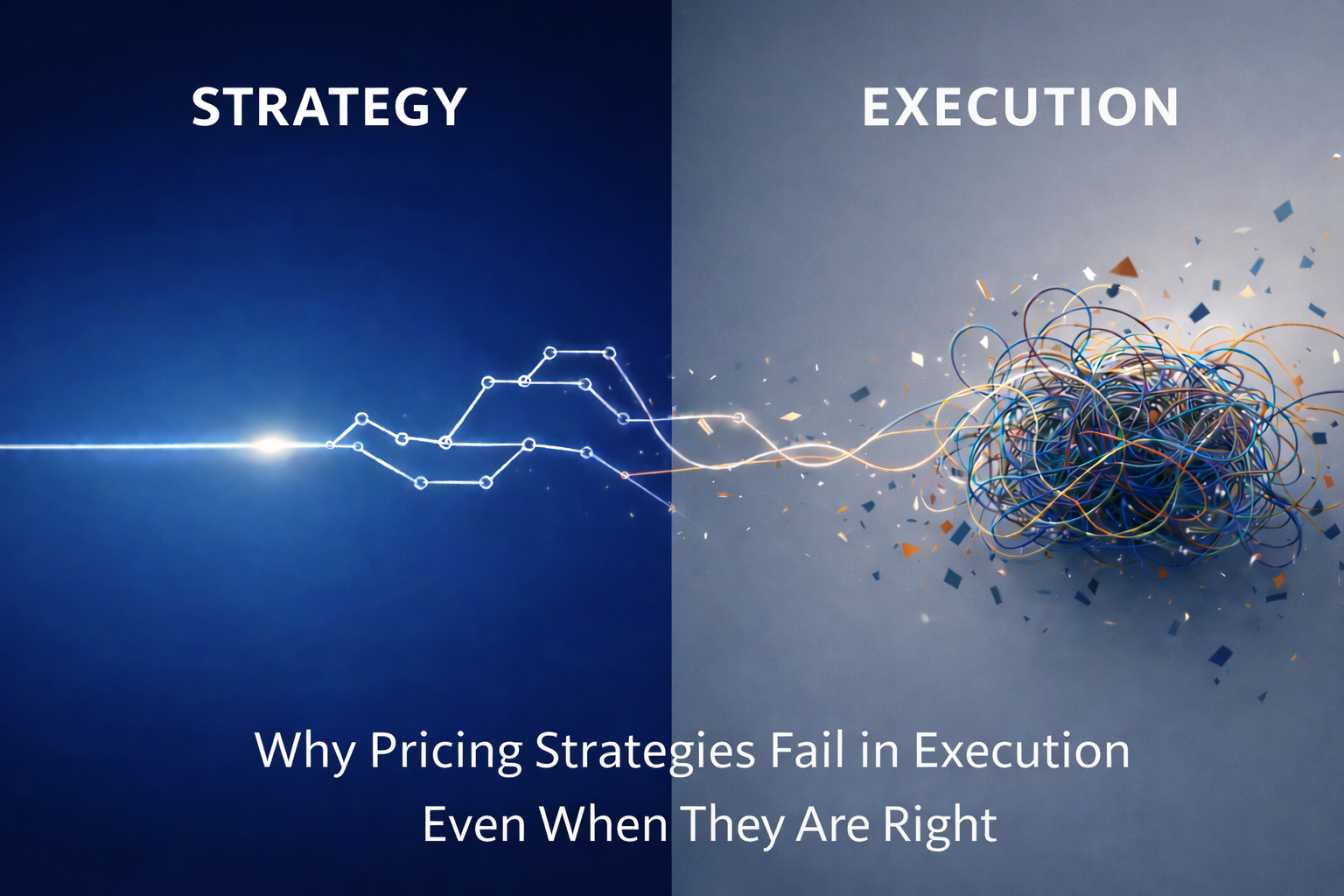
Most organizations don’t struggle with pricing strategy. They struggle with operationalizing it. This post explores the persistent gap between pricing intent and pricing reality, and why closing that gap requires rethinking pricing as an enterprise capability. For a structured view of how pricing intent connects to execution through operating models, governance, and scalable workflows, download
Assessing the Potential ROI of Supplier Rebates: Turning Incentives Into Measurable Profit
Discover how to assess and maximize the ROI of supplier rebate programs using automation, real-time analytics, and forecasting tools from IMA360 to drive measurable revenue growth.
Cloud Computing for Growth: Powering Business Agility, Innovation, and Profitability
Explore how cloud computing fuels business growth through scalability, agility, and innovation. Learn how SaaS, PaaS, and IaaS models drive global market expansion and efficiency.
Customer Rebates: Building Loyalty and Driving Sustainable Growth
Learn how customer rebates strengthen loyalty, boost sales, and drive repeat business. Discover the key types of rebate structures and how IMA360 helps automate and optimize them for profitability.
Developing a Winning Channel Incentive Strategy
Learn how to design modern channel incentive programs that drive loyalty, partner engagement, and recurring revenue. Discover how IMA360 helps you manage incentives seamlessly from plan to pay.